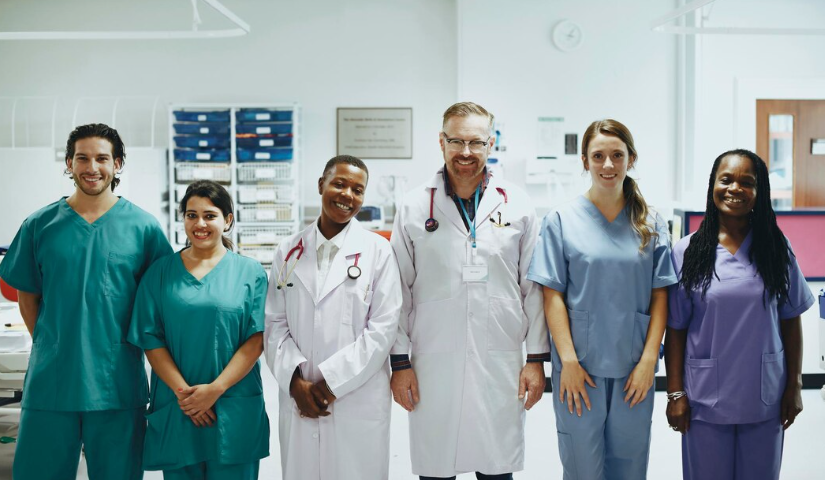
In 2026, the US is still struggling with serious nursing shortages, and that’s opening a lot of doors for internationally educated nurses who want to work—and build careers—here. Hospitals and healthcare systems, along with specialised recruiters, are reaching outside the typical local talent pools to find nurses, especially in areas like intensive care, emergency medicine, med-surg, and long-term care.
For skilled nurses from abroad, all this means a shot at employer-sponsored visas, help with relocation, solid pay, and the chance to join one of the biggest healthcare markets around. Of course, landing a nursing job in the U.S. isn’t simple. You’ll need to figure out which visa options fit, tackle licensing, understand what employers expect, and get a grip on how the recruiting process works.
This guide highlights top U.S. healthcare employers that actively hire international nurses and gives practical advice for finding and securing visa-sponsored nursing jobs in the U.S. in 2026.
Quick Comparison: Top Employers for International Nurses
| Employer | Primary Locations | Sponsorship Potential | Common Nursing Roles | Notable Benefits |
|---|---|---|---|---|
| HCA Healthcare | Nationwide | High | ICU, ER, Med-Surg, Telemetry | Large network, relocation support |
| Mayo Clinic | Minnesota, Arizona, Florida | Moderate | Specialty Nursing, ICU | Prestigious reputation, career development |
| Cleveland Clinic | Ohio, Florida, Nevada | Moderate | Critical Care, Cardiac Nursing | Research-focused environment |
| Ascension | Multiple States | High | General and Specialty Nursing | Large hiring volume |
| CommonSpirit Health | Nationwide | High | Acute Care, Emergency Nursing | Extensive hospital network |
| AdventHealth | Florida and beyond | High | Med-Surg, ICU, Oncology | Structured onboarding programs |
| Kaiser Permanente | Western U.S. | Selective | Primary Care, Specialty Nursing | Competitive compensation |
| Aya Healthcare | Nationwide Staffing | High | Travel and Contract Nursing | Flexible placement options |
| Health Carousel | International Recruitment | Very High | Multiple Specialties | Dedicated international nurse programs |
| O’Grady Peyton International | Nationwide Placement | Very High | Acute Care Nursing | International recruitment expertise |
Understanding Nurse Visa Sponsorship in the USA
Before applying for U.S. nursing jobs, international candidates must understand the immigration pathways commonly used by healthcare employers.
EB-3 Immigrant Visa
The EB-3 visa remains the primary pathway for foreign nurses seeking permanent employment in the United States.
Registered nurses are generally classified under Schedule A occupations, meaning employers can often bypass portions of the traditional labor certification process due to recognized workforce shortages.
Benefits of the EB-3 pathway include:
- Permanent residency eligibility
- Ability to bring eligible family members
- Long-term employment stability
- Pathway to eventual U.S. citizenship
H-1B Visa Limitations
Many international nurses assume the H-1B visa is the standard route into the United States. In reality, most nursing positions do not qualify because they typically do not require a bachelor’s degree as the minimum entry-level requirement.
Certain advanced practice or highly specialized nursing roles may qualify, including:
- Nurse practitioners
- Clinical nurse specialists
- Nurse educators
- Specialized research nurses
TN Visa
Citizens of Canada and Mexico may qualify for TN status under trade agreements, providing another pathway for eligible nursing professionals.
VisaScreen and Credential Verification
Most internationally educated nurses must obtain VisaScreen certification, which verifies:
- Educational credentials
- Professional licensing
- English language proficiency
- Comparable professional qualifications
NCLEX-RN Requirements
Passing the NCLEX-RN examination remains a fundamental requirement for practicing as a registered nurse in the United States.
Many employers will not proceed with sponsorship until candidates have passed the NCLEX or demonstrated eligibility to sit for the exam.
English Language Requirements
Many nurses educated outside English-speaking countries must demonstrate language proficiency through exams such as:
- IELTS Academic
- TOEFL iBT
- PTE Academic
Specific score requirements vary depending on immigration and licensing requirements.
How U.S. Healthcare Employers Sponsor Foreign Nurses
Visa sponsorship is a structured process rather than a simple job offer.
Step 1: Credential Evaluation
Employers typically require credential assessments to confirm that international education meets U.S. standards.
Step 2: Nursing Licensure
Candidates must apply for licensure through the nursing board of the state where they intend to work.
Step 3: Recruitment and Interviews
Employers assess:
- Clinical experience
- Specialty training
- Communication skills
- Adaptability to U.S. healthcare environments
Step 4: Immigration Processing
Once hired, the employer initiates sponsorship procedures, often through immigration attorneys and specialized recruitment teams.
Step 5: Relocation and Onboarding
Many employers provide:
- Flight assistance
- Temporary accommodation
- Relocation stipends
- Clinical transition programs
Timelines vary significantly, and candidates should expect several months or longer from application to arrival.
Top Healthcare Companies Hiring Foreign Nurses in 2026
HCA Healthcare
One of the largest healthcare providers in the United States, HCA Healthcare operates hundreds of hospitals and healthcare facilities across multiple states.
Why international nurses choose HCA:
- Extensive hiring needs
- Large-scale recruitment programs
- Diverse clinical opportunities
- Structured orientation systems
Common roles:
- ICU Nurse
- Emergency Room Nurse
- Medical-Surgical Nurse
- Telemetry Nurse
Advantages:
- Broad geographic options
- Frequent hiring cycles
- Significant advancement opportunities
Potential drawbacks:
- Highly competitive metropolitan locations
Mayo Clinic
Widely regarded as one of the most respected healthcare organizations in the world, Mayo Clinic attracts nurses seeking advanced clinical environments.
Common specialties:
- Critical Care
- Oncology
- Cardiology
- Surgical Nursing
Benefits:
- Professional development programs
- Strong educational resources
- Prestigious employer brand
Challenges:
- Extremely competitive recruitment standards
Cleveland Clinic
Known for innovation and specialized care, Cleveland Clinic frequently recruits highly qualified nursing professionals.
Why it stands out:
- Advanced clinical technologies
- Strong specialty care programs
- Research opportunities
Ideal candidates:
- Experienced specialty nurses
- Critical care professionals
- Cardiac care specialists
Ascension
Ascension operates one of the largest nonprofit healthcare networks in the United States.
Advantages for foreign nurses:
- Large workforce requirements
- Diverse hospital settings
- Broad geographic coverage
Career opportunities:
- Medical-Surgical Nursing
- Behavioral Health
- Emergency Services
- Long-Term Care
CommonSpirit Health
With facilities spanning numerous states, CommonSpirit Health remains a major employer of nursing professionals.
Why consider CommonSpirit:
- Consistent workforce demand
- Multiple specialty pathways
- Internal advancement opportunities
AdventHealth
AdventHealth has developed a reputation for structured onboarding and employee development.
Popular specialties:
- Oncology
- Intensive Care
- Medical-Surgical Nursing
- Women’s Health
Benefits often include:
- Continuing education support
- Mentorship programs
- Relocation assistance
Kaiser Permanente
Kaiser Permanente combines healthcare delivery and insurance services, creating unique career opportunities.
Strengths:
- Competitive compensation
- Strong employee benefits
- Integrated healthcare model
Considerations:
- Selective hiring standards
- Regional concentration
Aya Healthcare
Aya Healthcare is a major staffing organization connecting nurses with healthcare employers nationwide.
Advantages:
- Wide placement network
- Multiple assignment options
- Exposure to various healthcare settings
Health Carousel
Health Carousel specializes in international healthcare recruitment and has become one of the most recognized organizations assisting foreign nurses.
Why international nurses choose Health Carousel:
- Dedicated immigration support
- Licensing assistance
- Relocation services
- Long-term career planning
O’Grady Peyton International
O’Grady Peyton International has decades of experience recruiting nurses from around the world.
Key strengths:
- International recruitment expertise
- Immigration guidance
- Hospital partnerships
- Candidate support programs
Salary Expectations for Sponsored Nurses in 2026
Compensation varies by specialty, state, employer, and experience level.
| Role | Estimated Salary Range |
|---|---|
| Entry-Level RN | $70,000 – $95,000 |
| Experienced RN | $90,000 – $120,000+ |
| ICU Nurse | $95,000 – $140,000+ |
| Emergency Room Nurse | $90,000 – $135,000+ |
| Nurse Manager | $110,000 – $170,000+ |
What nurses get paid really depends on where they work, their specialty, how much experience they have, and who employs them. If you’re just starting out as a registered nurse, you’ll probably see salaries somewhere between $70,000 and $95,000 a year. But if you stick around and build up your experience, especially in a tough or specialized field, you could easily earn over $100,000—sometimes a lot more, depending on the state and the role.
If you work in critical care, the operating room, the emergency department, or you’ve got specific certifications, your paycheck usually reflects the extra responsibility. Many nurses also bump up their income with shift differentials, overtime, retention bonuses, sign-on perks, and certification pay.
Want the highest salaries? Look toward California, New York, Massachusetts, Washington, or other West Coast spots. Those states tend to pay nurses the most in the country. The catch is, living there can cost a lot, so higher salaries might not stretch as far. It’s smart for nurses to look at the whole compensation package—not just the base salary.
The benefits are pretty solid in most places. You’ll usually get health insurance, a retirement plan, paid time off, help with continuing education or tuition, support for professional certifications, and sometimes wellness programs for employees. All of these add up, so it’s worth paying attention to the full package when you’re weighing offers.
States with the Highest Demand for International Nurses
Texas is seeing a real boom in healthcare jobs, thanks to a growing population and investments in new hospitals and clinics. Big health systems and fast-growing cities mean nurses are in high demand across the state.
In Florida, there’s no shortage of job openings for nurses either. The state’s older population needs care in all kinds of settings—hospitals, rehab, long-term care, and specialty clinics. Plenty of international nurses start their U.S. careers here.
California stands out, mostly because nurses here can earn some of the highest salaries in the country. There are plenty of hospitals and clinics to choose from, although the licensing process is a bit more involved. Still, the pay and work options attract a lot of nurses every year.
Over in New York, huge hospitals and renowned academic medical centers always need nurses in various specialties. Opportunities span everything from emergency care to niche practices.
North Carolina and Arizona are also seeing steady growth as more people move in and healthcare needs keep climbing. This translates directly into hiring across their hospitals and clinics.
Challenges Foreign Nurses Should Expect
Credential Verification
Gathering educational documents, licenses, and transcripts can take time.
Licensing Delays
State nursing boards have varying requirements and processing times.
Cultural Adaptation
Clinical communication styles, documentation practices, and workplace expectations may differ significantly.
Immigration Processing
Government processing timelines can affect start dates.
Competition
The most desirable hospitals often attract large numbers of qualified applicants.
Practical Application Strategy
If you want to boost your chances of landing a nursing job, it really helps to stick to a structured plan. Start by digging into your state’s licensing requirements. Get your credentials evaluated by legitimate organizations, so everything’s official from the start.
When it comes to the NCLEX-RN exam, don’t just wing it. Most people who pass spend months prepping, practicing with sample questions, taking review courses, and following solid study schedules.
Your resume matters, too. Highlight your hands-on clinical experience, certifications, leadership roles, and specific achievements. If you can put numbers to your accomplishments, like “managed care for X patients” or “led a team of Y nurses,” that’s even better—it makes your application stand out.
Don’t forget about your LinkedIn profile. Make sure to showcase your nursing specialties, certifications, language skills, and professional successes. Recruiters use LinkedIn all the time to track down candidates with just the right background.
Take your time researching future employers. Dig into what they specialize in, where they operate, what the workplace feels like, and whether they’ve recruited internationally before. Customizing your applications for each employer works way better than just sending out generic forms.
Interviews are key. Be ready to talk through real clinical situations, patient safety concerns, teamwork, and how you adapt to changing circumstances. Employers pay close attention to both your communication skills and your clinical know-how.
Watch out for scams. Real employers and recruitment groups stick to clear contracts, upfront communication about any fees, and transparent sponsorship details. If something seems sketchy or rushed, trust your gut and ask questions.
1. Obtain Credential Evaluation
Begin with recognized credential assessment organizations.
2. Prepare for NCLEX-RN
Create a structured study plan and schedule the examination early.
3. Complete VisaScreen Requirements
Ensure educational and licensing documentation is organized.
4. Build a Competitive Resume
Highlight:
- Specialty certifications
- Clinical achievements
- Leadership experience
- Technology proficiency
5. Optimize LinkedIn
Recruiters frequently search for candidates online.
Include:
- Professional headline
- Nursing specialties
- Certifications
- Career accomplishments
6. Research Employers Carefully
Understand:
- Sponsorship history
- Geographic location
- Salary expectations
- Clinical specialties
7. Prepare for Interviews
Expect questions about:
- Clinical decision-making
- Patient safety
- Communication skills
- Adaptability
8. Avoid Recruitment Scams
Warning signs include:
- Requests for large upfront payments
- Unverifiable job offers
- Lack of written contracts
Frequently Asked Questions
1. Can foreign nurses obtain permanent residency through sponsorship?
Yes. Many employers sponsor nurses through the EB-3 immigrant visa category.
2. Is NCLEX mandatory?
In most cases, yes. Passing the NCLEX-RN is a core requirement for U.S. nursing licensure.
3. How long does sponsorship take?
Processing times vary based on immigration backlogs, employer procedures, and individual circumstances.
4. Can my family move with me?
Many immigration pathways allow eligible spouses and children to accompany the primary applicant.
5. Which nursing specialties are most in demand?
Critical care, emergency medicine, operating room nursing, and medical-surgical nursing remain highly sought after.
6. Do employers pay relocation expenses?
Many employers provide some form of relocation support, though benefits vary.
7. Is agency sponsorship better than direct hospital sponsorship?
Each option has advantages. Agencies often provide extensive immigration assistance, while direct-hire positions may offer greater long-term flexibility.
8. What is VisaScreen?
VisaScreen verifies that an international healthcare professional meets U.S. standards for education, licensing, and language proficiency.
9. Can newly graduated foreign nurses qualify?
Some employers prefer experienced nurses, though opportunities exist for newer graduates depending on specialty and workforce needs.
10. What should applicants do first?
Begin by evaluating educational credentials and understanding state licensure requirements before applying.
Securing The Perfect Nursing Job in The U.S.
The United States is still a top choice for nurses trained abroad who want better pay, a clear path for career growth, and more chances in their field. Hospitals, big and small, along with international staffing agencies, keep playing a key role in guiding qualified nurses from overseas into U.S. jobs.
Honestly, getting there isn’t quick or easy. Nurses have to deal with credential checks, licensing exams, immigration paperwork, and some tough competition. But if you approach the process with a plan—slow and steady, step by step—you can set yourself up for a solid nursing career here.
There’s no sign of demand slowing down anytime soon. With ongoing staffing shortages and rising healthcare needs, foreign-trained nurses are set to stay a major part of the workforce through 2026 and beyond. If you take the time to learn about sponsorship options, look closely at employers, and get your credentials in order, you’ll boost your chances of finding a job that really fits and building a lasting career in the U.S.