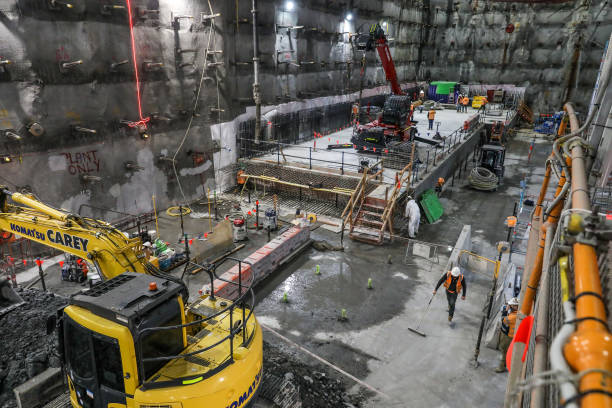
Australia’s construction industry is one of the strongest pillars of its economy, driven by rapid urban development, infrastructure expansion, and population growth. For foreigners seeking high-paying opportunities abroad, construction jobs in Australia offer a compelling pathway—especially with the availability of visa sponsorship and long-term career growth.
With ongoing investments in transport systems, housing projects, commercial buildings, and renewable energy infrastructure, demand for skilled construction workers continues to rise. Many of these roles not only pay well but also provide opportunities for permanent residency.
This guide explores 12 lucrative construction jobs in Australia for foreigners, detailing earning potential, job responsibilities, and why these roles are in high demand.
Why Construction Jobs in Australia Are Highly Profitable
The Australian construction sector consistently faces skill shortages, especially in specialized trades and project management roles. This shortage creates opportunities for foreign workers with the right expertise.
Key advantages include:
- Competitive salaries often exceeding six figures
- Strong demand across major cities like Sydney, Melbourne, and Brisbane
- Opportunities for visa sponsorship
- Long-term job stability
- Pathways to permanent residency
The industry’s reliance on skilled labor ensures that experienced professionals are well-compensated and valued.
1. Construction Project Manager
Construction project managers oversee entire building projects from planning to completion. They coordinate teams, manage budgets, and ensure projects are delivered on time.
Average salary: $120,000 – $200,000+
Responsibilities:
- Managing construction timelines
- Budget planning and cost control
- Coordinating contractors and stakeholders
- Ensuring compliance with safety regulations
Why it’s lucrative: High responsibility and leadership requirements make this one of the best-paying roles in construction.
2. Civil Engineer
Civil engineers design and supervise infrastructure projects such as roads, bridges, and water systems.
Average salary: $100,000 – $160,000+
Responsibilities:
- Designing infrastructure systems
- Conducting site inspections
- Ensuring structural integrity
- Managing project execution
Why it’s lucrative: Australia’s ongoing infrastructure expansion keeps demand consistently high.
3. Quantity Surveyor
Quantity surveyors manage project costs and financial planning in construction.
Average salary: $100,000 – $150,000+
Responsibilities:
- Estimating construction costs
- Preparing budgets and contracts
- Monitoring expenses
- Managing financial risks
Why it’s lucrative: Cost control is critical in large-scale projects, making this role indispensable.
4. Site Manager
Site managers oversee daily operations on construction sites, ensuring work progresses smoothly.
Average salary: $110,000 – $170,000+
Responsibilities:
- Supervising workers
- Managing site safety
- Coordinating materials and equipment
- Ensuring project timelines are met
Why it’s lucrative: Experience and leadership skills command higher pay.
5. Electrician
Electricians install and maintain electrical systems in residential, commercial, and industrial buildings.
Average salary: $90,000 – $130,000+ (can exceed $100K with overtime)
Responsibilities:
- Wiring installations
- Maintenance and repairs
- Testing electrical systems
- Ensuring compliance with regulations
Why it’s lucrative: Skilled electricians are in short supply, especially in urban areas.
6. Plumber
Plumbers handle water systems, drainage, and gas installations in buildings.
Average salary: $85,000 – $120,000+
Responsibilities:
- Installing piping systems
- Repairing leaks and blockages
- Maintaining water systems
- Ensuring safety compliance
Why it’s lucrative: High demand and essential services ensure steady income.
7. Carpenter
Carpenters construct and repair building frameworks and structures.
Average salary: $80,000 – $120,000+
Responsibilities:
- Building frameworks
- Installing fixtures
- Reading blueprints
- Measuring and cutting materials
Why it’s lucrative: Skilled craftsmanship is highly valued in construction projects.
8. Heavy Equipment Operator
Operators handle machinery such as excavators, bulldozers, and cranes.
Average salary: $90,000 – $140,000+
Responsibilities:
- Operating heavy machinery
- Maintaining equipment
- Ensuring safe operations
- Assisting in site preparation
Why it’s lucrative: Specialized skills and certifications increase earning potential.
9. Welder
Welders join metal components, essential in structural construction and manufacturing.
Average salary: $80,000 – $120,000+
Responsibilities:
- Welding metal parts
- Reading technical drawings
- Inspecting weld quality
- Maintaining equipment
Why it’s lucrative: Demand for precision work ensures competitive pay.
10. Structural Engineer
Structural engineers ensure buildings and infrastructure are safe and stable.
Average salary: $110,000 – $170,000+
Responsibilities:
- Designing structural frameworks
- Analyzing load and stress factors
- Conducting inspections
- Ensuring safety compliance
Why it’s lucrative: High expertise and responsibility lead to premium salaries.
11. Building Inspector
Inspectors ensure construction projects meet legal and safety standards.
Average salary: $90,000 – $130,000+
Responsibilities:
- Conducting inspections
- Verifying compliance
- Reporting issues
- Approving completed work
Why it’s lucrative: Regulatory roles are essential for project approvals.
12. Crane Operator
Crane operators manage heavy lifting operations on construction sites.
Average salary: $100,000 – $150,000+
Responsibilities:
- Operating cranes
- Lifting heavy materials
- Ensuring safety protocols
- Coordinating with site teams
Why it’s lucrative: High-risk, specialized work attracts higher wages.
Visa Sponsorship Opportunities for Foreign Workers
Many construction jobs in Australia offer visa sponsorship due to labor shortages. Employers often sponsor skilled workers under programs such as:
- Temporary Skill Shortage visa (subclass 482)
- Employer Nomination Scheme visa (subclass 186)
Foreign workers with relevant qualifications and experience have strong chances of securing sponsorship.
How to Secure a Construction Job in Australia
Gain Relevant Certifications
Australian employers value internationally recognized certifications and trade qualifications.
Build Experience
Hands-on experience significantly increases employability, especially for skilled trades.
Apply to Sponsoring Employers
Target companies known for hiring foreign workers and offering relocation support.
Prepare an Australian-Standard Resume
Highlight achievements, certifications, and practical experience.
Use Job Platforms Effectively
Search using terms like:
- Construction jobs with visa sponsorship Australia
- Skilled trades jobs Australia
- High paying construction jobs Australia
Salary vs Cost of Living
While Australia offers high salaries, the cost of living—especially in cities like Sydney—can be significant.
However, construction professionals earning above $100,000 can enjoy:
- Comfortable housing
- Good savings potential
- High quality of life
Benefits of Working in Australia’s Construction Industry
- Strong job security
- High earning potential
- Opportunities for career advancement
- Access to world-class infrastructure projects
- Multicultural work environment
Challenges to Consider
- Competitive job market
- Licensing requirements for certain trades
- Relocation costs
- Adapting to Australian workplace standards
Future Outlook of Construction Jobs in Australia
The construction industry is expected to grow steadily, driven by:
- Infrastructure investments
- Housing demand
- Renewable energy projects
This growth ensures continued demand for skilled foreign workers.
Final Thoughts
Construction jobs in Australia offer some of the most lucrative opportunities for foreigners seeking high-paying careers abroad. With strong demand, competitive salaries, and visa sponsorship options, skilled professionals can build successful and rewarding careers in this thriving industry.
By focusing on in-demand roles, acquiring the right qualifications, and targeting employers offering sponsorship, you can position yourself for long-term success in Australia’s construction sector.